What Actually Happens to Your After-Hours Service Calls (And Why You're Losing Revenue)
After-hours calls represent 30-40% of service business revenue opportunities. Learn why most HVAC, plumbing, and electrical companies lose high-value customers after 5 PM and what to do about it.
The Hidden Revenue Leak in Your Service Business
When I owned my HVAC business, I made a costly assumption about after-hours calls.
I thought they were mostly low-quality leads - tire-kickers who'd call back during business hours if they were serious.
I was wrong. And it was costing me thousands every month.
One evening around 7:40 PM, a voicemail came in from a homeowner with no heat. We didn't check messages until the next morning.
By then, the customer had already hired a competitor.
That single missed call was worth $3,200.
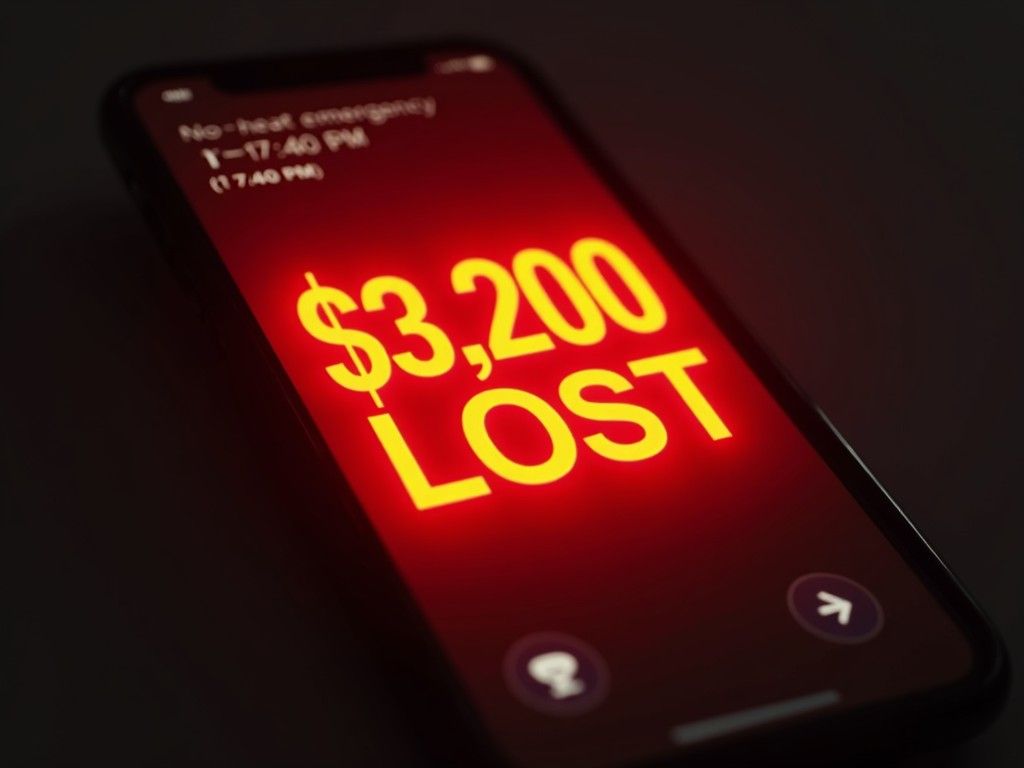
And it wasn't an isolated incident.
Why After-Hours Calls Matter More Than You Think
Most service business owners - whether you run an HVAC company, plumbing business, electrical service, or other home service operation - make three dangerous assumptions about after-hours phone calls:
"Most after-hours calls are low-quality leads"
"Serious customers will call back during business hours"
"Our answering service has us covered"
Each of these assumptions directly impacts your bottom line.
The Real Data on After-Hours Service Calls
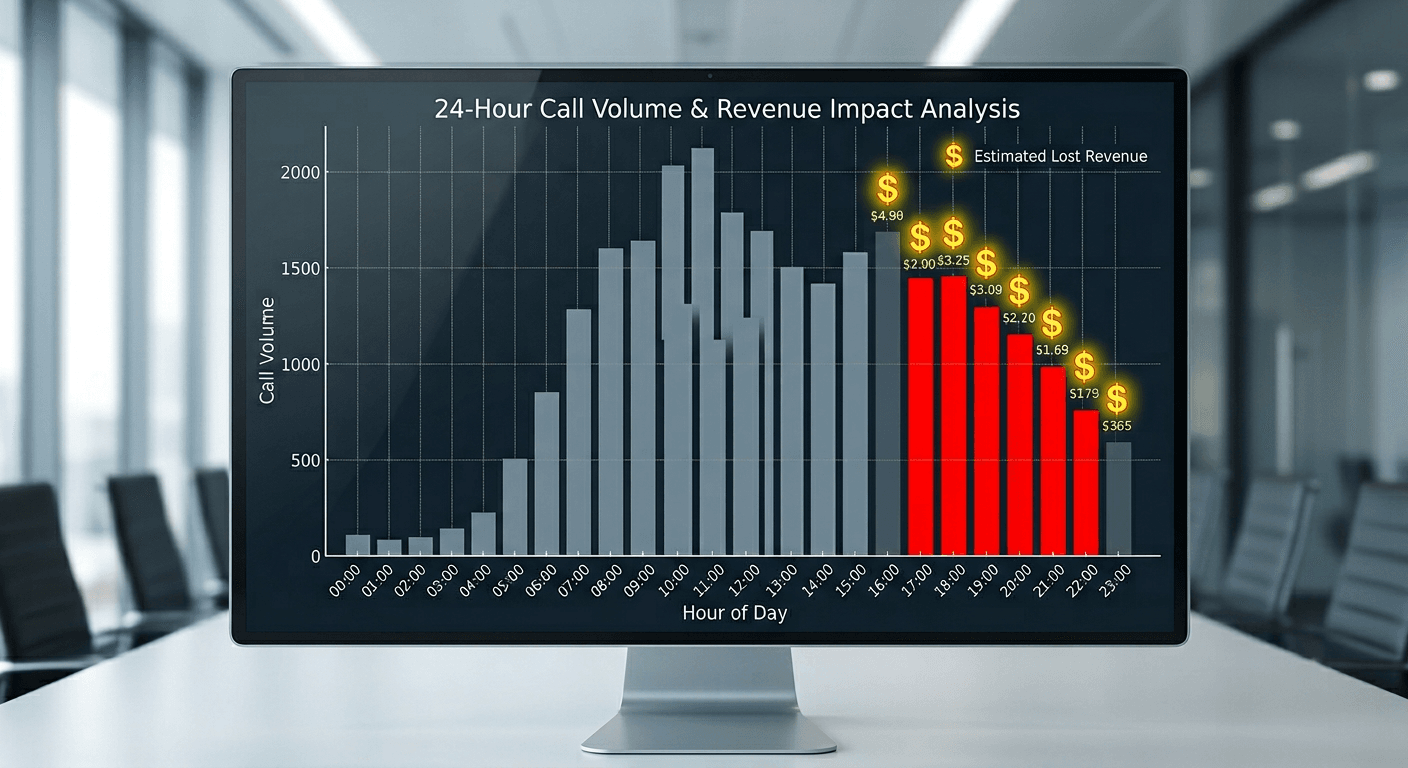
After analyzing call patterns across multiple phone-driven service businesses, including HVAC companies, plumbing services, and electrical contractors, a consistent pattern emerges:
- 30-40% of total inbound call volume occurs outside standard business hours
- High-value emergency service calls disproportionately happen after 5 PM and on weekends
- Response time directly correlates with booking rates - every hour of delay cuts conversion probability in half
These aren't low-quality leads.
They're urgent problems that homeowners will pay premium rates to solve immediately.
Understanding After-Hours Caller Behavior
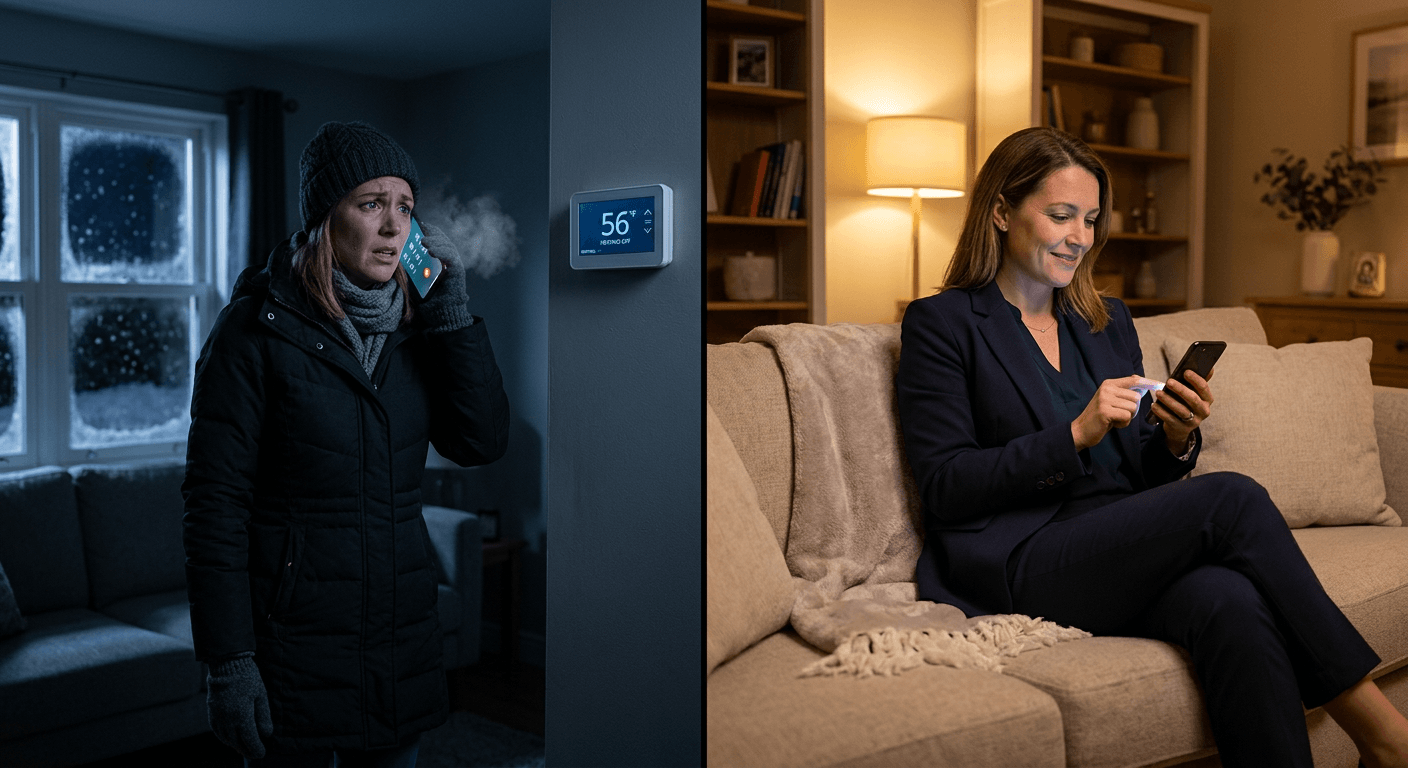
After-hours service calls typically fall into two high-value categories:
1. Emergency Service Requests
When a homeowner's furnace stops working at 8 PM in January, or their water heater fails on Saturday morning, they're not comparison shopping.
They're hiring the first qualified service provider who answers the phone professionally.
2. Convenience-Driven Buyers
Many homeowners can only call service providers outside of their own work hours. These evening and weekend callers are often pre-qualified buyers ready to book appointments.
If your after-hours call handling system creates friction, these customers move to the next company on their list.
The After-Hours Coverage Gap Costing You Revenue
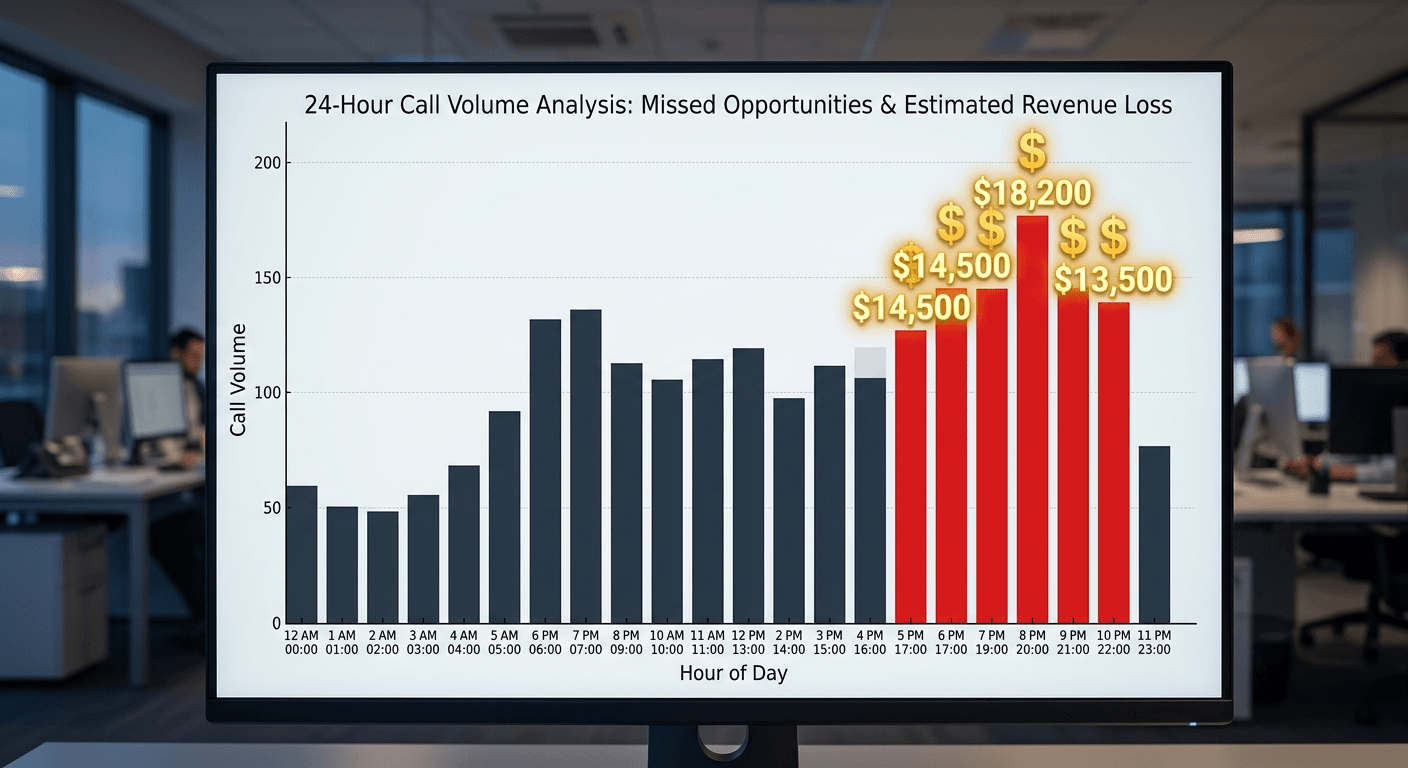
Most service businesses believe they have adequate after-hours coverage. But "coverage" often means:
Voicemail boxes checked the next business day
Message-taking answering services with no booking capability
Delayed callbacks 12-18 hours after initial contact
Manual follow-up processes that depend on individual technicians
Each step in this process reduces conversion rates.
Why Traditional Answering Services Fail Service Businesses
Standard answering services create several problems for HVAC, plumbing, and electrical companies:
- No real-time booking capability - callers can't schedule appointments immediately
- Lack of service knowledge - operators can't answer basic questions about services or pricing
- Delayed response loops - messages sit until the next business day
- No prioritization system - true emergencies aren't flagged or escalated
The result? High-value service calls slip through the cracks while you sleep.

The True Cost of Poor After-Hours Call Handling
Let's break down the math on missed after-hours opportunities:
If your service business receives:
- 100 inbound calls per week
- 35 of those calls (35%) come in after hours
- Your average job value is $800
- Industry standard booking rate is 40%
With poor after-hours handling (10% booking rate): - After-hours bookings: 3.5 jobs/week
- Weekly revenue: $2,800
- Annual revenue: $145,600
With optimized after-hours handling (35% booking rate): - After-hours bookings: 12.25 jobs/week
- Weekly revenue: $9,800
- Annual revenue: $509,600
The difference? $364,000 in annual revenue.
And that's a conservative estimate for a mid-sized service operation.
Why This Isn't a Staffing Problem
Many service business owners assume the solution is hiring additional staff to cover after-hours calls.
That's the wrong approach.
After-hours demand is unpredictable and inconsistent. You can't efficiently staff for random call volume without destroying profit margins.
What Service Businesses Actually Need
Instead of more staff, successful service companies build systems designed for:
1. Immediate response - answering calls within 60 seconds, 24/7
2. Intelligent call routing - directing emergencies vs. routine inquiries appropriately
3. Real-time booking capability - capturing appointments while the customer is engaged
4. Consistent follow-through - ensuring no calls fall through the cracks
5. Performance tracking - measuring after-hours conversion rates and revenue
This is infrastructure thinking, not staffing thinking.
Best Practices for After-Hours Call Management
Leading service businesses implement these strategies to capture after-hours revenue:
1. Implement 24/7 Live Answer Capability
Every call should be answered by a real person who can:
- Assess urgency and prioritize appropriately
- Answer basic questions about services
- Book appointments in real-time
- Dispatch for true emergencies
2. Create Clear Service Tier Definitions
Establish protocols that differentiate: - True emergencies requiring immediate dispatch
- Urgent requests needing same-day or next-day service
- Routine inquiries that can be scheduled normally
3. Enable Real-Time Booking
After-hours callers should be able to schedule appointments immediately, not wait for a callback to confirm availability.
4. Track After-Hours Performance Metrics
Monitor:
- After-hours call volume and patterns
- Booking conversion rates by time period
- Revenue generated from after-hours calls
- Response time averages
5. Optimize for Mobile Callers
Most after-hours calls come from mobile devices. Ensure your booking process works seamlessly on smartphones.
Common After-Hours Call Handling Mistakes
Service businesses frequently make these errors:
Mistake #1: Assuming Low After-Hours Call Quality
Data consistently shows after-hours callers have equal or higher booking intent than business-hours callers.
Mistake #2: Relying on Voicemail
By the time you return a voicemail from an emergency service request, the customer has already hired someone else.
Mistake #3: No Differentiation Between Emergencies and Routine Calls
Without clear triage protocols, true emergencies don't get prioritized appropriately.
Mistake #4: No Performance Measurement
If you're not tracking after-hours conversion rates and revenue, you can't identify or fix problems.
Mistake #5: Treating After-Hours as an Afterthought
After-hours operations deserve the same strategic attention as daytime operations - they represent 30-40% of your opportunity.
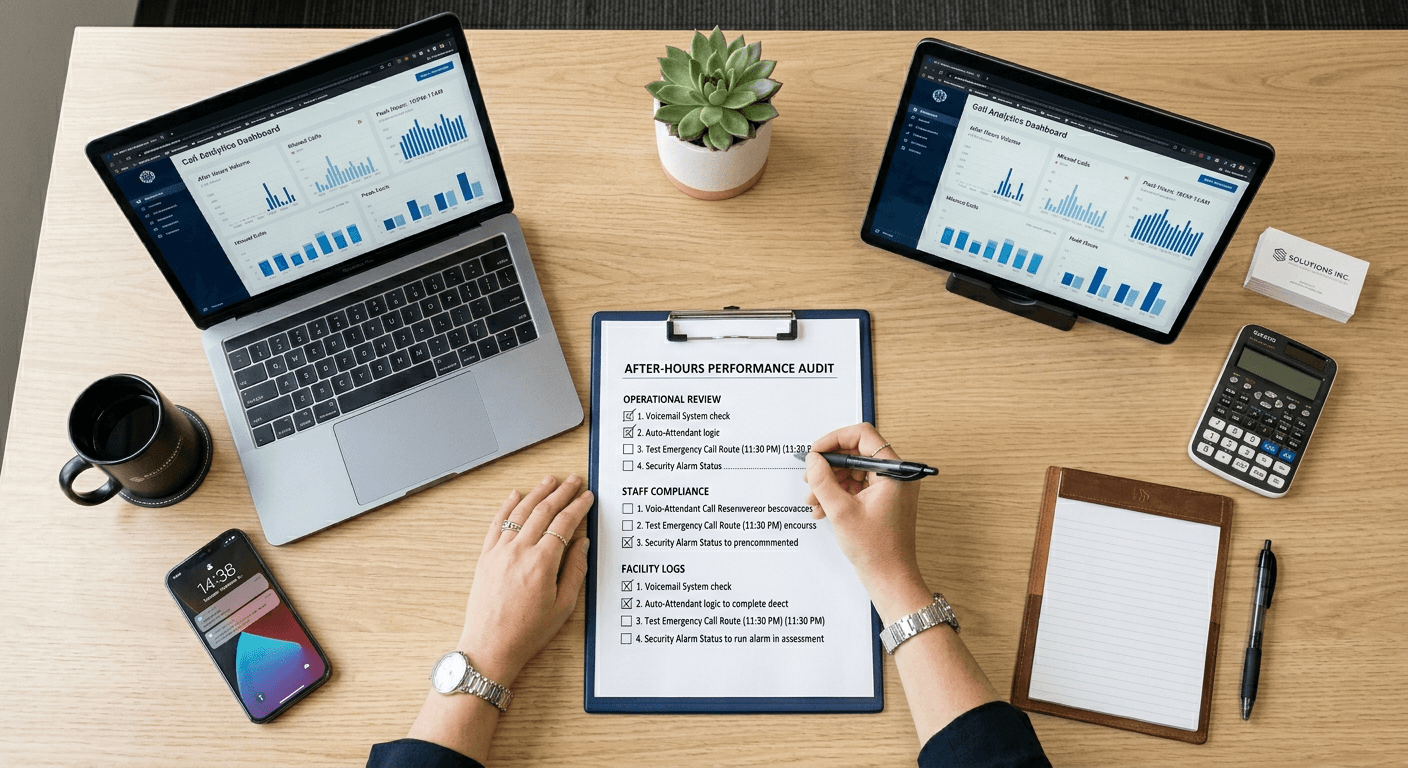
How to Audit Your After-Hours Call Handling
Here's a simple diagnostic to assess your current after-hours performance:
1. Call your own business after hours - what happens?
2. Review your call logs - what percentage of calls come in outside business hours?
3. Check your booking data - what's your after-hours conversion rate vs. business hours?
4. Calculate the revenue gap - multiply missed opportunities by average job value
5. Ask recent customers - when did they first try to reach you?
The answers will reveal exactly where revenue is leaking.
The Competitive Advantage of Superior After-Hours Service
In competitive service markets, after-hours call handling creates significant differentiation.
When a homeowner calls five HVAC companies with a no-heat emergency:
- Four go to voicemail
- One answers immediately with a real person who can book the service
Which company gets the job?
Superior after-hours operations don't just capture more revenue - they build competitive moats that are difficult for competitors to replicate.
Next Steps: Improving Your After-Hours Revenue Capture

If you run an HVAC, plumbing, electrical, or other phone-driven service business, start here:
Immediate Actions (This Week)
1. Call your own business after hours and document the experience
2. Pull call volume data to identify after-hours patterns
3. Calculate your current after-hours conversion rate
4. Estimate the revenue opportunity you're missing
Short-Term Improvements (This Month)
1. Establish clear protocols for after-hours call prioritization
2. Implement performance tracking for after-hours calls
3. Test alternative after-hours coverage solutions
4. Train staff on the importance of after-hours revenue
Long-Term Strategy (This Quarter)
1. Build or implement systems for 24/7 professional call handling
2. Enable real-time booking capability
3. Create emergency dispatch protocols
4. Optimize your entire customer acquisition funnel for after-hours callers
The Bottom Line on After-Hours Service Calls
After-hours calls aren't an inconvenience to manage.
They're a significant revenue opportunity most service businesses are leaving on the table.
The companies that build proper infrastructure to capture after-hours demand gain:
- 30-40% more revenue from the same marketing spend
- Competitive advantage in their local markets
- Higher customer satisfaction scores
- Better utilization of service capacity
The question isn't whether after-hours calls matter.
The question is: what's actually happening when customers call your business at 7:42 PM on a Saturday?
If you don't know the answer, you're probably losing more revenue than you realize.
Frequently Asked Questions About After-Hours Service Calls
Q: What percentage of service calls come in after hours?
A: Industry data shows 30-40% of inbound calls to HVAC, plumbing, and electrical companies occur outside standard business hours (typically defined as weekdays 8 AM - 5 PM).
Q: Are after-hours callers lower-quality leads?
A: No. After-hours callers often have higher booking intent, especially for emergency services. They're calling because they have an urgent problem that needs immediate attention.
Q: How quickly should service businesses respond to after-hours calls?
A: Ideally, within 60 seconds. Every hour of delay significantly reduces booking probability. For emergency services, immediate response is critical.
Q: What's the ROI of improving after-hours call handling?
A: Service businesses typically see 3-5x ROI within the first year by improving after-hours conversion rates from 10-15% to 30-40%.
Q: Should I hire staff to cover after-hours calls?
A: Not necessarily. After-hours demand is unpredictable, making dedicated staffing inefficient. System-based solutions typically provide better ROI than additional headcount.